Keep Your Garage Door Operating Safely and Reliably
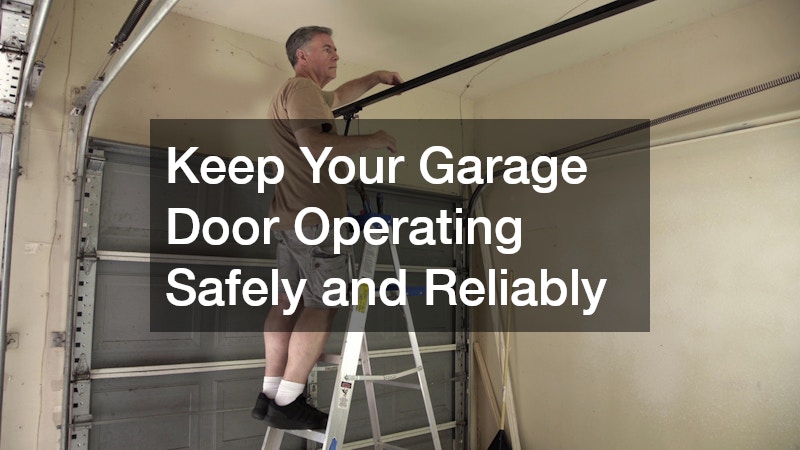
Garage doors are one of the most frequently used components of a home, yet they are often overlooked until something goes wrong. The springs play a critical role in supporting the door’s weight and enabling smooth operation. When these springs wear out or break, the door can become difficult—or dangerous—to operate.
Common warning signs include:
- Loud snapping or banging noises
- Difficulty opening or closing the door
- Uneven movement or sagging
- A door that suddenly feels much heavier
Garage door spring repair should always be handled by professionals due to the high tension involved. Attempting a DIY fix can result in serious injury or further damage to the system.
Preventative maintenance includes:
- Regularly inspecting springs for signs of wear
- Lubricating moving parts to reduce friction
- Testing the door’s balance and alignment
By addressing issues early and scheduling routine inspections, homeowners can extend the lifespan of their garage door system and avoid unexpected breakdowns. It’s also beneficial to check additional components such as rollers, cables, and tracks, as these parts work together with the springs to ensure smooth operation. Keeping these elements clean and properly aligned reduces strain on the system and improves overall performance.
Homeowners should also be mindful of environmental factors. Extreme temperature changes can affect metal components, causing expansion and contraction that weakens springs over time. Regular servicing helps identify these issues before they lead to failure, ensuring the system remains safe and reliable year-round.
Protect Your Home from Weather and Structural Damage
The roof is one of the most important protective elements of your home. It shields the interior from weather, regulates temperature, and supports structural integrity. Over time, exposure to the elements can cause wear that leads to leaks, damage, and reduced efficiency.
Common signs that roof repairs may be needed include:
- Missing or damaged shingles
- Water stains on ceilings or walls
- Sagging areas on the roof
- Mold or algae growth
Working with a residential roofer ensures that problems are properly diagnosed and addressed. Professionals can assess whether repairs are sufficient or if a full replacement is necessary.
Preventative strategies include:
- Scheduling annual roof inspections
- Cleaning gutters to prevent water buildup
- Trimming nearby trees to reduce debris
Maintaining your roof not only protects your home but also contributes to energy efficiency and long-term durability. Additional steps such as checking flashing around chimneys and vents, sealing small cracks, and ensuring proper attic ventilation can further extend the life of your roofing system.
Seasonal changes can have a significant impact, especially in areas with heavy snow or storms. Taking time to inspect your roof after extreme weather events helps identify damage early and prevents further deterioration. Consistent care ensures that your home remains protected in all conditions.
Maintain Cooling Systems for Efficiency and Comfort
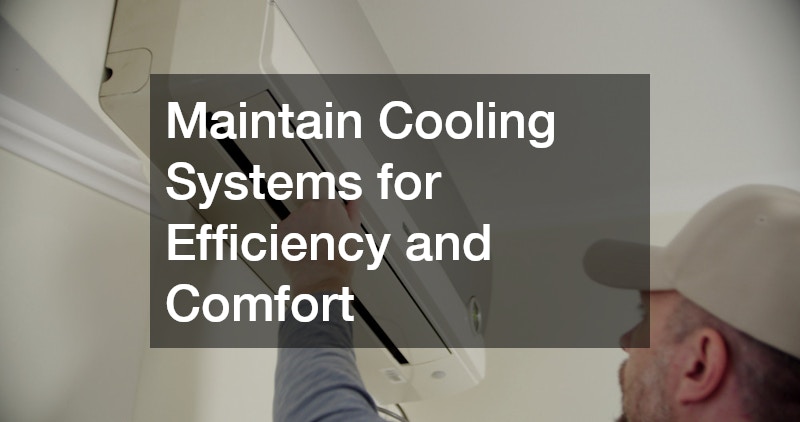
Cooling systems are essential for maintaining indoor comfort, especially during warmer months. Regular ac maintenance ensures that your system operates efficiently and reduces the risk of breakdowns.
Key maintenance tasks include:
- Replacing air filters regularly
- Cleaning coils and vents
- Checking refrigerant levels
Working with a professional HVAC company provides additional benefits, including thorough inspections and expert adjustments that improve performance.
Signs your system may need attention:
- Reduced airflow
- Inconsistent temperatures
- Unusual noises or odors
Preventative care not only improves comfort but also extends the lifespan of your equipment and reduces energy costs. Homeowners can also improve system performance by ensuring vents are unobstructed and sealing any leaks in ductwork, which helps maintain consistent airflow throughout the home.
In addition, installing programmable thermostats allows for better temperature control and energy savings. Regular monitoring of system performance ensures that minor issues are addressed before they develop into major repairs.
Ensure Reliable Heating During Colder Months
Heating systems are critical for maintaining comfort and safety during colder seasons. When these systems fail, the impact can be immediate and severe.
Common issues that require heating repair include:
- Uneven heating throughout the home
- Strange noises during operation
- Increased energy bills
In some cases, upgrading to modern systems through furnace installation services may be more cost-effective than repeated repairs.
Maintenance tips include:
- Scheduling annual inspections
- Replacing filters regularly
- Ensuring proper ventilation
A well-maintained heating system provides consistent warmth while operating efficiently and safely. Additional practices such as checking thermostat accuracy, sealing air leaks around windows and doors, and maintaining proper insulation can significantly improve system efficiency.
Homeowners should also be aware of safety considerations, including carbon monoxide detection and proper venting. Regular system checks not only ensure performance but also protect the health and safety of everyone in the home.
Maintain Safe and Efficient Electrical Systems
Electrical systems power nearly every aspect of a modern home, making safety and reliability essential. Issues such as faulty wiring, overloaded circuits, or outdated panels can pose serious risks.
Warning signs include:
- Flickering lights
- Frequent breaker trips
- Burning smells near outlets
Licensed electricians are trained to diagnose and resolve these issues safely. They can also recommend upgrades that improve efficiency and accommodate modern energy demands.
Preventative practices include:
- Avoiding overloaded outlets
- Scheduling periodic inspections
- Updating outdated wiring systems
Maintaining your electrical system ensures both safety and consistent performance. Upgrading to energy-efficient lighting and appliances can also reduce electricity usage while improving functionality.
In addition, installing surge protection systems helps safeguard sensitive electronics from power fluctuations. Taking a proactive approach to electrical maintenance minimizes risks and ensures your home can meet current and future energy needs.
Prepare Your Property for Structural and Ground-Level Projects
Certain projects require work below the surface, such as foundation repairs, drainage improvements, or landscaping changes. An excavation company provides the expertise and equipment needed to handle these tasks safely.
Common uses include:
- Preparing land for construction
- Installing drainage systems
- Addressing grading issues
Planning is essential for successful excavation work:
- Obtain necessary permits
- Assess soil conditions
- Coordinate with other contractors
Proper execution ensures that structural work is completed safely and supports long-term stability. It’s also important to evaluate how excavation impacts surrounding structures, utilities, and landscaping to prevent unintended damage.
Working with experienced professionals helps ensure compliance with local regulations and safety standards. Proper planning and execution contribute to a strong foundation for any construction or improvement project.
Keep Plumbing Systems Running Smoothly and Prevent Costly Issues
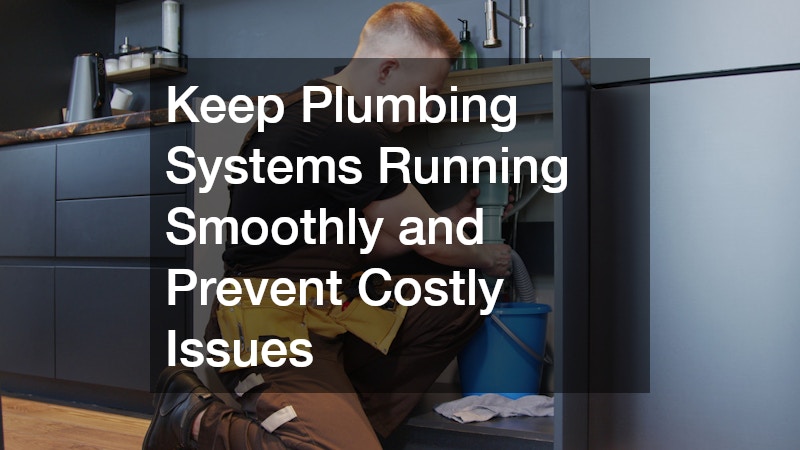
Plumbing systems are essential for daily functionality, delivering clean water and removing waste efficiently. Without proper maintenance, small issues can quickly escalate into costly repairs.
Common problems include:
- Leaks and pipe corrosion
- Slow or clogged drains
- Inconsistent water pressure
Professional plumbing services help identify and resolve these issues before they become severe.
Preventative strategies include:
- Inspecting pipes regularly
- Avoiding harsh chemical cleaners
- Addressing leaks immediately
Maintaining your plumbing system ensures reliability and protects your home from water damage. Additional steps such as insulating pipes, monitoring water usage, and installing pressure regulators can further improve system performance.
Regular maintenance not only extends the lifespan of your plumbing but also helps conserve water and reduce utility costs, making it a valuable investment for any homeowner.
Coordinate Multiple Home Services for Better Results
Managing multiple home improvement projects requires careful coordination. Without a clear plan, overlapping schedules and miscommunication can lead to delays and increased costs.
Effective coordination involves:
- Creating a detailed project timeline
- Grouping related tasks together
- Communicating clearly with contractors
Keeping records of completed work also helps track progress and plan future maintenance.
A well-organized approach ensures that projects are completed efficiently and with minimal disruption. It also allows homeowners to identify opportunities to combine services, which can reduce labor costs and improve overall efficiency.
Clear communication and proper planning ensure that each project aligns with your overall goals, resulting in better outcomes and a smoother experience.
Budgeting for Repairs, Maintenance, and Upgrades
Financial planning is a critical part of property care. Without a clear budget, it’s easy for costs to spiral out of control.
Smart budgeting practices include:
- Setting aside funds for emergencies
- Prioritizing essential repairs
- Comparing multiple quotes
Breaking larger projects into phases can make them more manageable and reduce financial strain.
Planning ahead allows homeowners to maintain control over expenses while ensuring that important work is completed. Tracking expenses over time also provides valuable insights into maintenance trends, helping you make more informed decisions in the future.
By maintaining a balanced approach between immediate needs and long-term investments, you can ensure your property remains well-maintained without unnecessary financial stress.